Helping Children, Teens & Young Adults Understand, Grow and Thrive
-
Manhattan • Westchester • Northern New Jersey
Combined Experience
Trained
Licensed Psychologist
School Psychologist
Professor of Pediatrics

You Don't Need to Know Exactly What Your Child Needs.
When something changes with your child, it can be difficult to know where to turn—or even what questions to ask. Maybe your child is struggling academically despite working hard. Perhaps you are noticing difficulty with attention, anxiety, emotional regulation, or behavior. You may have received conflicting diagnoses or recommendations and are looking for a clearer understanding of what is really going on.
You don’t have to figure it out alone.
At Child Therapy Support, we help families understand the factors that may be affecting a child’s learning, development, behavior, and emotional well-being. A comprehensive neuropsychological evaluation or educational evaluation can provide a deeper understanding of your child’s strengths and challenges and help determine what support may be appropriate.
For some children, the next step may involve psychological care or therapy. For others, families may need guidance around school accommodations, learning supports, attention concerns, or recommendations following an evaluation. Our goal is not simply to provide testing or a diagnosis—it is to help you understand the whole child and identify meaningful next steps.
Whether you are concerned about ADHD, anxiety, learning differences, behavioral changes, or simply feel that something isn’t quite right, we’re here to help you find answers and move forward with confidence.
You don’t need to have all the answers before reaching out.
Comprehensive Support for Every Step Forward
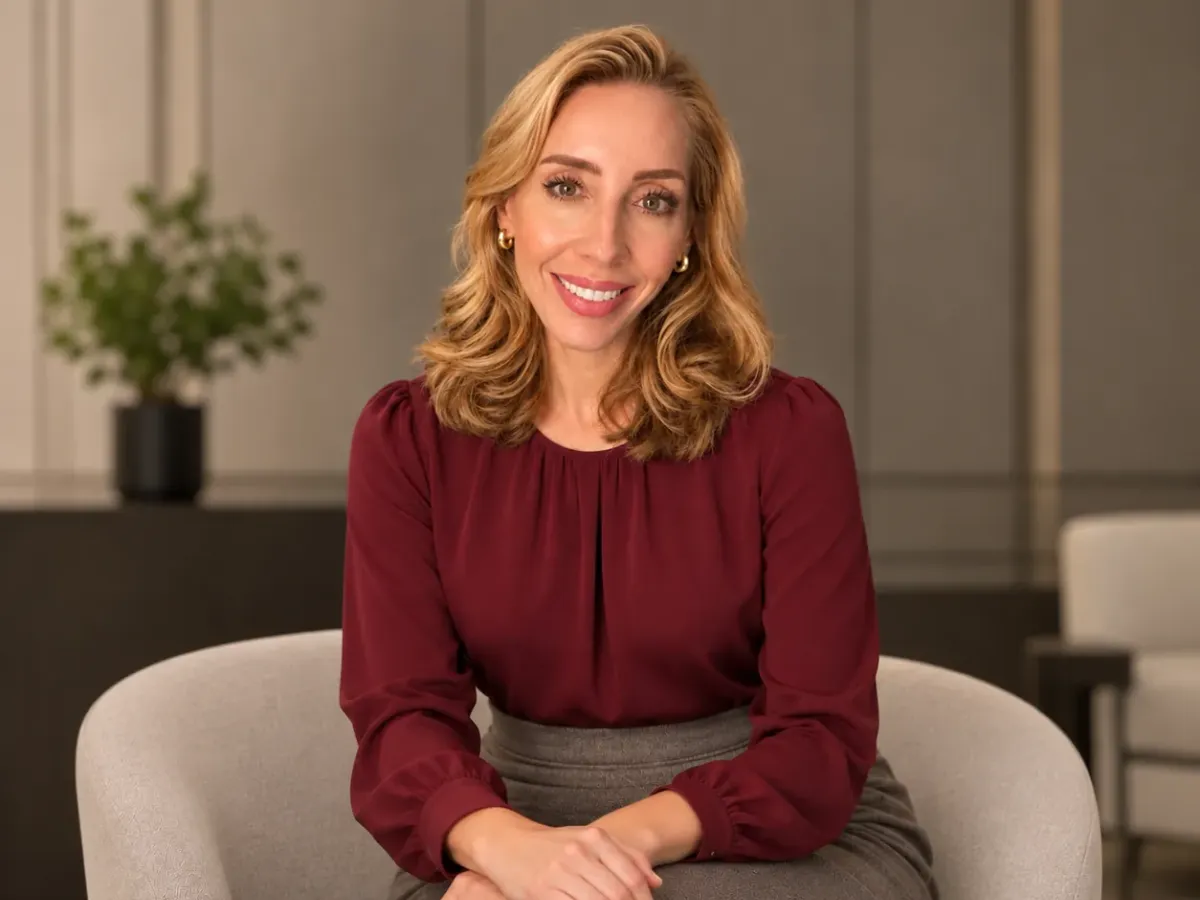
Meet Dr. Dimitra Robokos
Dr. Dimitra Robokos brings more than three decades of experience working with children, adolescents, and young adults across psychology, education, assessment, and mental health care. Licensed as a psychologist in New York and New Jersey, she has specialized training and credentials in school psychology, allowing her to understand both the psychological and educational factors that can influence a young person's development and well-being.
Dr. Robokos received her Ph.D. following advanced training at Columbia University and holds two master's degrees, with an academic background that includes a focus on neuroscience and education. Her professional experience also includes academic teaching and work with Albert Einstein College of Medicine. Throughout her career, she has worked with children and young adults with a wide range of learning, developmental, emotional, behavioral, and psychological needs.
Her work extends beyond the evaluation or therapy room. Dr. Robokos collaborates with parents, schools, physicians, psychiatrists, educators, therapists, and other professionals to develop a more complete understanding of each individual's needs. This interdisciplinary approach allows psychological and educational information to be considered together, helping families make informed decisions about evaluation, treatment, school support, and next steps.
But credentials and experience matter most when they translate into meaningful support for families. Every child is different, and a diagnosis or test result rarely tells the whole story. Dr. Robokos believes that families deserve to feel heard, understood, and included in the process of finding answers. Her approach is thoughtful, collaborative, and individualized—looking not only at areas of difficulty, but also at a child's strengths, relationships, environment, and potential.
For parents who may feel overwhelmed by conflicting information or uncertain about where to begin, that perspective can make a meaningful difference. Whether a family is seeking a neuropsychological or educational evaluation, therapy and psychological care, or guidance navigating school and other professional systems, Dr. Robokos works to provide clarity, context, and practical recommendations that support the child as a whole.
Because understanding your child is the first step toward helping them grow, succeed, and thrive.
The Evaluation Process
Understand
the Concern
History, records, interviews and referral questions.
Comprehensive
Assessment
Testing selected around the individual — not a one-size-fits-all battery.
Understand
the Results
Clear explanation of strengths, challenges and diagnosis where appropriate.
Build the Plan
Specific recommendations for school, home, treatment and appropriate accommodations.
Understanding the Whole Child
A Trusted Resource for Professionals
Physicians & Psychiatrists
Schools & Educators
Attorneys & Educational Advocates
Therapists & Clinicians
Support Through Every Stage
Young Children
Early concerns about development, behavior, communication, attention, or learning can leave parents wondering what is typical and what may need additional support. We help families better understand young children's strengths and challenges through thoughtful evaluation, psychological care, and developmental guidance tailored to their individual needs.
School-Age Children
School-age children may experience academic difficulties, attention concerns, learning differences, anxiety, emotional challenges, or changes in behavior. Comprehensive evaluations and individualized support can help identify what is getting in the way of progress and provide families and schools with practical recommendations for helping children succeed.
Adolescents
The adolescent years bring significant academic, social, emotional, and developmental changes. We support teens experiencing anxiety, mood concerns, attention difficulties, learning challenges, behavioral changes, or school stress, providing a supportive environment where they can better understand themselves and develop strategies for managing challenges and building confidence.
College Students
& Young Adults
The transition to college and young adulthood can bring new demands and challenges related to independence, academics, executive functioning, relationships, and emotional well-being. We provide evaluation, therapy, and psychological support to help young adults understand their needs, strengthen important skills, and navigate this next stage with greater confidence.
Expert Care, Thoughtfully Collaborative
Supporting children, adolescents, and young adults often takes more than one perspective. Dr. Dimitra Robokos works alongside a carefully selected team of experienced professionals who share a commitment to thoughtful, individualized care. Together, the team brings complementary expertise to psychological care, therapy, evaluation, learning, development, and emotional well-being.
Our collaborative approach allows us to consider each child or young adult from multiple perspectives while keeping their individual strengths, needs, and goals at the center of care. When appropriate, we also work collaboratively with parents, schools, physicians, psychiatrists, and other professionals to help create consistent and meaningful support.
Dr. Robokos provides the clinical leadership and expertise, supported by a team committed to helping every family move forward with greater clarity and confidence.

Serving Families Across the New York Metropolitan Area
Manhattan
New York, NY 10024
Westchester
Chappaqua, NY 10514
Northern New Jersey
Woodcliff Lake, New Jersey 07677

Articles & Resources
Common Questions
A neuropsychological evaluation may be helpful when a child is experiencing ongoing academic, attention, behavioral, emotional, or developmental difficulties and the reason for those challenges is not clear. Families may consider an evaluation when a child is struggling despite appropriate support, has difficulty with attention or executive functioning, shows significant learning differences, or has concerns related to ADHD, autism, anxiety, or other developmental and psychological factors. An evaluation can provide a comprehensive understanding of a child's strengths and areas of difficulty and help identify appropriate recommendations for school, therapy, and other support. If you are unsure whether an evaluation is appropriate, a consultation can help determine the most appropriate next step.
Both types of evaluations can help explain learning and academic difficulties, but they focus on different areas. A neuropsychological evaluation looks more broadly at cognitive and psychological functioning, including attention, memory, executive functioning, processing, learning, emotional functioning, and other factors that may affect everyday performance. An educational evaluation focuses more specifically on academic skills and learning, such as reading, writing, mathematics, and related educational needs. Depending on a child's concerns, one type of evaluation—or a comprehensive combination of both—may provide the clearest understanding of their needs.
It is not always easy to know which service is the right starting point—and you do not need to determine that on your own. An evaluation may be appropriate when you need a deeper understanding of learning, attention, developmental, cognitive, or emotional concerns. Therapy may be more appropriate when a child, adolescent, or young adult needs ongoing support for anxiety, mood, emotional regulation, behavioral concerns, or other psychological challenges. A consultation can be a helpful first step when you are uncertain, have questions about a diagnosis or school concerns, or want professional guidance before deciding what to do next.
You don't have to know exactly what your child needs before reaching out. We can help you understand the concerns and determine an appropriate next step.
Media, Speaking & Professional Education
Dr. Dimitra Robokos shares her expertise in child development, mental health, learning differences, and special needs through media collaborations, professional publications, and speaking engagements. Her contributions include providing clinical feedback for Justice Sonia Sotomayor’s children’s book Just Ask: Be Different, Be Brave, Be You, offering expert insights on children’s mental health for a project involving Amazon’s Alexa, and contributing to professional publications on topics such as telehealth and special needs. Dr. Robokos also speaks at schools and presents at grand rounds in medical institutions and professional organizations, helping audiences better understand the developmental, emotional, and educational needs of children, adolescents, and young adults.